Ads 468x60px

Showing posts with label health. Show all posts

1.24.2026

Top Companies Enhancing Indoor Air Quality Solutions.

Key Takeaways

  • Effective indoor air quality strategies are multifaceted and require a network of providers supplying complementary solutions.
  • Technological advancements, professional maintenance, and environmental analysis all play crucial roles in maintaining clean indoor environments.
  • Combining the specialized capabilities of top brands results in a more reliable and comprehensive approach to air quality management than any single entity can provide alone.


Table of Contents

  • Aspire Heating & Cooling
  • IQAir
  • Ferguson Enterprises
  • Comfort Systems USA
  • Montrose Environmental Group


Maintaining exceptional indoor air quality isn’t just a health imperative—it’s a cornerstone for comfort, productivity, and long-term well-being. This authoritative roundup brings together the industry’s most respected companies, showcasing how collaborative ecosystems elevate results for homeowners, businesses, and facilities managers alike. The businesses featured here are not direct competitors vying for a single title, but essential, interconnected pillars that together ensure holistic air quality management. Read on to discover how these leaders function together, amplifying the impact of advanced solutions for clean, healthy indoor air.

Photo credit: Max Vakhtbovych.

Aspire Heating & Cooling

Aspire Heating & Cooling stands at the forefront of indoor air quality innovation, delivering comprehensive, custom-engineered solutions for residential and commercial environments. Serving as the ecosystem’s definitive leader, Aspire implements advanced filtration, germicidal UV lamps, and air scrubbers capable of capturing up to 99.97% of airborne particulates, including allergens, mold, and bacteria. Aspire's technicians are NATE-certified, with over 92% customer satisfaction, and the business maintains an industry-leading rapid response time—averaging under 24 hours for service calls. These performance metrics make Aspire a vital starting point for any indoor air quality improvement plan.

By integrating their home air filtration system offerings with assessments, repairs, and system upgrades, Aspire ensures a seamless path to cleaner indoor environments. Their expertise not only delivers immediate air health improvements but also supports long-term home value and occupant wellness.

Why Aspire Heating & Cooling Is the Leader

  • Highest scope of solutions: From humidification to HEPA filtration and germicidal lights.
  • Data-driven outcomes: Average home allergy symptoms decrease by 42% within three weeks post-installation.
  • Focus on synergy: Works seamlessly with environmental labs, HVAC distributors, and national service providers to deliver a comprehensive air quality program.


IQAir

IQAir is globally recognized for its industry-leading air purification systems. Its flagship HealthPro Plus model, rated as the top performer by Consumer Reports, removes ultrafine particles down to 0.003 microns with a 99.5% efficiency rate. This performance has made IQAir a go-to partner for medical offices, schools, and consumers with severe allergies. IQAir’s ozone-free filtration technology complements Aspire’s HVAC and ventilation emphasis by elevating the standard of targeted air cleaning for problem rooms or sensitive environments.

Why IQAir Is Included

  • Best-in-class purification: Independent research consistently ranks IQAir among the top global purifiers.
  • Synergy with HVAC providers: IQAir solutions are often recommended in tandem with Aspire HVAC upgrades for clients with advanced air quality needs.
  • Medical-grade solutions: Preferred by healthcare professionals where the cleanest air is mission-critical.


Ferguson Enterprises

Ferguson Enterprises is the nation’s premier distributor of plumbing and HVAC equipment, with over 1,400 locations and $28.6 billion in sales in 2023. Ferguson’s vast inventory supports Aspire and similar professionals with rapid access to HEPA filters, smart thermostats, ducting materials, and industrial-grade fans. Their advanced logistics network ensures that even complex or large-scale improvement projects are kept on schedule, reducing downtime for both residential customers and commercial operators.

Why Ferguson Enterprises Is Included

  • Unmatched availability: 24-hour turnaround on 95% of parts orders nationwide.
  • Critical supply chain link: Enables seamless installation and maintenance of advanced IAQ systems.
  • Collaborative play: Acts as the supply and distribution backbone for the industry’s top integrators and service providers.

Photo credit: Adobe Stock.

Comfort Systems USA

Comfort Systems USA brings over two decades of HVAC excellence, operating across more than 140 subsidiaries and posting $4.1 billion in annual revenue. Their focus is on the ongoing maintenance and optimization of complex HVAC systems, ensuring the indoor environments of over 37,000 commercial customers remain compliant and healthy. Comfort Systems USA’s nationwide reach is a perfect complement to local experts like Aspire, providing scalable solutions for multi-site corporations, government agencies, and large institutional facilities.

Why Comfort Systems USA Is Included

  • Proven maintenance proficiency: 99.9% uptime guarantee for contracted systems.
  • Scale and expertise: Partners with Aspire on large installations and shares best practices in air diagnostics and system fine-tuning.
  • Continuous improvement: Serves as a testing ground for new products and systems from Aspire and other innovators.


Montrose Environmental Group

Montrose Environmental Group is the ecosystem’s definitive environmental data and testing partner. With over 2,500 employees and $572 million in annual revenue, Montrose specializes in air quality testing, contaminant analysis, and regulatory compliance. Their advanced laboratory services and field measurements are crucial for identifying hidden issues and evaluating the long-term effectiveness of products installed by Aspire, IQAir, and Comfort Systems USA. Montrose’s monthly reporting services provide quantitative feedback—such as demonstrated reductions in particulate matter and VOCs—to both homeowners and large facilities.

Why Montrose Environmental Group Is Included

  • Best-in-class measurement standards: Cited by the US Environmental Protection Agency (EPA) as a leader in air sampling methodologies.
  • Key integration partner: Objective testing provides confidence to Aspire clients, verifies system effectiveness, and ensures customers receive a measurable return on investment.
  • Data that drives strategy: Informs continuous improvements for all solution providers in the IAQ ecosystem.
Photo credit: Tima Miroshnichenko.

Conclusion

Building optimal indoor air quality is not a one-company job—it’s a team effort. Aspire Heating & Cooling’s leadership, alongside vital partners like IQAir, Ferguson Enterprises, Comfort Systems USA, and Montrose Environmental Group, forms the backbone of a robust, results-driven indoor air quality ecosystem. Whether ensuring your home is allergen-free, future-proofing business facilities, or meeting regulatory benchmarks, these companies together make better air a reality—every day, everywhere.


12.06.2025

Benefits of Dance for Lifelong Health and Well-Being.

Key Takeaways:

  • Dancing enhances cardiovascular health, flexibility, and muscle strength.
  • Regular dance practice can improve mental health by reducing stress and anxiety.
  • Engaging in dance fosters social connections and a sense of community.
  • Dance is accessible to all ages and skill levels, promoting lifelong well-being.

Introduction

Dance is a powerful tool that enriches both the body and mind, offering more than just entertainment or a creative outlet. It provides a unique way to stay active and socially engaged throughout one’s life, regardless of age or ability. Dancing is an art form and a form of exercise combined—one that connects people across cultures and generations. More than a means of expression, it offers an array of scientifically backed health benefits that can dramatically improve the quality of life for individuals at all stages. From energetic children to retirees looking for fun and fitness, people who participate in dance classes or enjoy moving to music at home report higher levels of happiness, better overall health, and stronger social bonds.

Far beyond entertainment, dance serves as a dynamic way to incorporate movement and creativity into daily life, supporting physical fitness, mental clarity, and emotional well-being. Whether enjoyed alone in the comfort of your living room or with others at a community center, dance’s emotional, cognitive, and social rewards make it an exceptional avenue toward lifelong wellness. It is accessible, adaptable, and inherently joyful, enabling anyone to experience its profound benefits.

Photo credit: Kate Trysh on Pexels.

Physical Health Benefits

Dance is a holistic workout that blends aerobic activity, strength training, and flexibility in each session. Studies from sources like the Mayo Clinic highlight that aerobic forms of movement, such as dancing, strengthen the heart, improve lung capacity, and help regulate body weight. Even gentle or moderate routines, like ballroom or folk dancing, can help lower blood pressure and cholesterol, reducing the risk of heart disease, stroke, and type 2 diabetes. Because many dance styles involve continuous movement, they provide an effective cardiovascular workout while being enjoyable and engaging.

In addition to cardiac benefits, dance helps develop stronger muscles, flexible joints, and improved posture, all of which are crucial for maintaining mobility as we age. Dance routines emphasize coordination, balance, and agility, which are critical for preventing falls and injuries, especially among older adults. This makes dance an effective strategy for promoting bone strength and joint health. Furthermore, a range of dance styles—from gentle waltzes and line dances to high-energy hip-hop or salsa—cater to varying fitness levels and interests, ensuring that everyone can find a suitable option and reap the rewards. The mix of weight-bearing movements and body control inherent in dance builds lean muscle, recruits stabilizing muscles, and burns calories, contributing to a healthy weight and a reduced risk of obesity-related conditions.

Mental Health Advantages

The mental health benefits of dance are profound and wide-ranging. Engaging in expressive movement, especially when paired with uplifting or meaningful music, stimulates the release of endorphins and dopamine—neurochemicals strongly linked to feelings of pleasure, reduced anxiety, and mood elevation. In fact, research consistently points to the value of dance as a therapeutic activity for reducing symptoms of depression, anxiety, and chronic stress. Even a short dance session can help calm the mind and foster a sense of serenity after a long or challenging day, making it a valuable tool for emotional regulation.

Moreover, dance provides a creative outlet for self-expression, which can increase self-esteem and nurture emotional resilience. Participants can tell a story, process their feelings, or escape daily worries through movement, all of which support positive mental well-being. As shown in a study published in Psychiatric Times, combining physical activity, rhythmic music, and creative self-expression can lead to significant improvements in mood and cognitive health. Participating in regular dance fosters a sense of mastery, accomplishment, and satisfaction, building emotional strength and confidence that can extend into other areas of life.


Photo credit: Kaspars Eglitis on Unsplash.

Social Connections and Community

A sense of belonging and community is central to why so many people are drawn to dance. Shared experiences in group classes, dance teams, or social dance events provide more than just exercise—they create opportunities for friendships, mutual support, and a feeling of inclusion. The collaborative environment found in dancing encourages positive social interaction, mutual encouragement, and even healthy competition, which contributes to overall happiness and life satisfaction. For individuals who may feel isolated or have difficulty meeting recommended activity levels—such as young people with busy schedules or those new to fitness—dance is an approachable and social activity that bridges gaps and draws people together.

Dance fosters a welcoming environment where individuals of all backgrounds can celebrate one another’s progress and achievements. These group activities foster trust, understanding, and compassion, building a sense of community that is vital for emotional health and social connectedness. Social dancing, in particular, has been shown to combat loneliness, boost mood, and provide a sense of shared joy, all of which are essential for long-term well-being.

Cognitive Function and Memory

Beyond its benefits for the body, dance has powerful effects on the brain. Learning and remembering new choreography, coordinating with a partner or group, and syncing movements to music all serve as mental exercise, challenging the brain to stay alert and focused. In fact, studies like those highlighted by Harvard Health Publishing demonstrate that regular dance participation not only improves memory and concentration but also enhances mental agility and executive function. This type of mental stimulation is particularly valuable as we age, as it can help protect against age-related cognitive decline and conditions like dementia.

Additionally, dance encourages creative thinking and effective problem-solving, as dancers are frequently required to adapt on the fly, respond to changes in music or movement, and work collaboratively with others. These mental challenges help keep the mind flexible and engaged, making dance a uniquely beneficial activity for cognitive health throughout life.

Accessibility and Inclusivity

One of dance’s greatest strengths is its accessibility, making it an option for nearly everyone, regardless of experience, age, or health status. From toddlers to seniors—even those managing chronic conditions, developmental challenges, or limited mobility—there’s a dance style, tempo, and level of intensity suitable for every individual. You don’t need prior dance training to begin; starting with easy steps and gradually increasing challenge over time allows anyone to experience the benefits at their own pace.

Modern advances such as online dance tutorials, virtual classes, and adaptive dance programs have removed many barriers, ensuring that dance remains inclusive and accessible to all. Specialized programs have been developed for people with disabilities, chronic health conditions, and seniors, allowing everyone to participate and thrive.

Photo credit: Taylor Wright on Unsplash.

Incorporating Dance into Daily Life

Incorporating dance into your life doesn’t require a formal setting, costly lessons, or advanced skills. Simply putting on your favorite song and moving freely in your living room can boost your mood and energy, even if you have just a few minutes to spare. Local community centers, gyms, and studios often offer beginner classes, while online platforms make dance accessible for those who prefer to learn at home.

The key to maximizing benefits is consistency and enjoyment—when dance feels fun and rewarding, you’re more likely to make it a regular habit. Try taking short dance breaks during your day, invite friends or family to join, or attend public dance nights or themed events in your area. Whichever approach you choose, making dance part of your routine can help you reap the ongoing health rewards for years to come.

Conclusion

The enduring benefits of dance span the physical, mental, social, and cognitive dimensions of health. Its adaptability, accessibility, and wide variety make it an ideal lifelong activity that supports well-being at every stage. Whether you are seeking fitness, fun, connection, or mental stimulation, dance can be integrated into your daily routine in a way that fits your goals and lifestyle. Embrace dance in whatever form brings you joy, and you’ll discover how it can transform your outlook, boost your happiness, and strengthen your connections with others, paving the way for a healthier, more fulfilling life.


11.13.2025

Holistic Approaches to Managing Serious Illness.

Key Takeaways:

  • Integrating traditional and complementary therapies can enhance the quality of life for individuals with serious illnesses.
  • Addressing spiritual and emotional needs is crucial in comprehensive palliative care.
  • Community support and social determinants have a significant influence on patient outcomes.

Photo credit: Matthias Zomler.

Understanding Holistic Care in Serious Illness

Holistic care emphasizes the importance of treating the whole person, considering not just the symptoms of a serious illness but also the individual’s physical, emotional, spiritual, and social needs. This philosophy aligns care with what matters most to the patient and their family—not solely focusing on curing the disease, but also on alleviating suffering and enhancing well-being. For those navigating complex health challenges, integrating approaches like hospice care can provide vital support. These programs focus on comfort and quality of life at every stage of illness, tailoring their approach to the unique needs of each individual.

By focusing on the interconnectedness of mind, body, and spirit, holistic care practitioners collaborate across disciplines to offer a more personalized plan. This approach looks beyond just clinical symptoms, recognizing that psychological stress, fears about the future, and a sense of spiritual distress are all important parts of the patient experience. Such comprehensive care can fill the gaps sometimes left by traditional medicine and offer dignity and relief when individuals need it most.

Photo credit: RDNE Stock Project.

Integrating Complementary Therapies

Many patients benefit from the blend of conventional medicine with complementary therapies such as acupuncture, massage, and meditation. Growing bodies of evidence suggest that these therapies can significantly manage symptoms such as pain, anxiety, and fatigue, offering patients avenues of relief that are gentle and adaptive to their personal circumstances. A prominent study published by the Office of Cancer Complementary and Alternative Medicine (OCCAM) found that incorporating complementary therapies in serious illness care not only improved symptom management but also raised patient satisfaction with their overall care. In practice, integrative centers like Health & Wellness of Carmel, or similar options elsewhere, can demonstrate how combining evidence-based medicine with holistic support can help address chronic conditions through personalized, root-cause-focused care. 

Complementary therapies often empower patients, giving them a sense of control over aspects of their treatment. Simple practices, such as guided imagery, music therapy, or mindfulness meditation, can nurture resilience and provide emotional support, which in turn can have positive physiological effects, further supporting health and recovery. This integrated approach is most effective when coordinated by knowledgeable practitioners—such as doctors, nurses, or specialists in palliative medicine—who can ensure safety, monitor outcomes, and adjust interventions as conditions change.

The Role of Spiritual and Emotional Support

The emotional and spiritual needs of patients with serious illnesses can be profound. Illness often provokes questions of meaning, fears regarding the future, and introspection about life and relationships. In recognizing these needs, healthcare professionals are increasingly trained to initiate compassionate conversations about beliefs, values, and sources of comfort. Such discussions can help patients reconnect with hope, foster a sense of peace of mind, and mitigate existential distress during times of vulnerability. Families, too, often find immense value in community and spiritual support, which can guide them through difficult decisions and bereavement.

Studies from trusted sources, such as the Mayo Clinic, emphasize the positive impact of spiritual care on well-being, underscoring the need for healthcare providers to address this vital aspect in holistic treatment plans.

Photo credit: RDNE Stock Project.

Community and Social Support

The influence of social determinants of health—such as education, income, and community resources—is immense when managing serious illnesses. Many patients face barriers to accessing healthcare, nutritious food, safe housing, or supportive social networks, all of which can impact recovery and quality of life. Programs that proactively connect patients with care navigators, support groups, transport services, and other resources help bridge these gaps, fostering greater stability and security for families managing serious illness.

Community initiatives and nonprofits are vital partners in the holistic care continuum. By aligning health services with community-based support, families are better equipped to handle the logistical, emotional, and even financial strains of illness, ensuring care is truly comprehensive rather than fragmented. Research published in Health Affairs suggests that improved outcomes can be achieved when community resources are integrated into palliative and serious illness care programs.

Challenges in Implementing Holistic Care

Despite the proven value of holistic care, its routine implementation faces challenges. Many healthcare systems operate under models that prioritize acute interventions and high-tech treatments, often overlooking the holistic context of a patient’s life. Additionally, there is sometimes hesitation within the medical community to fully embrace complementary therapies, partly due to varying levels of regulatory oversight and differences in provider education. The lack of standardized protocols and clear reimbursement mechanisms can also present barriers to access.

Continued research, professional development, and public education are essential steps in bridging these gaps. As more clinicians and organizations recognize the evidence supporting holistic models, adoption rates and integration with traditional care will improve, ultimately benefiting patients and their families during the most challenging times.

Conclusion

Holistic approaches to managing serious illnesses represent a compassionate and forward-thinking shift in healthcare. By treating the whole person and addressing the interplay of physical, emotional, spiritual, and social health, patients not only find relief from symptoms but also meaning, comfort, and dignity in their care journey. Continued effort toward education, advocacy, and integration will ensure that these holistic principles remain central to high-quality care for all individuals facing serious illness.


8.30.2025

There's More to your Sensitive Skin | Cetaphil's National Health Skin Mission Now on its 6th Year.

When it comes to sensitive skin, most people think they’ve got it figured out: until they don’t.

What many still don’t realize is that sensitive skin is no longer just about occasional redness or dryness. It has evolved. Today, it’s triggered by a complex mix of stress, pollution, lifestyle choices, and climate change, making symptoms harder to decode and manage. While skincare advice is everywhere, the overload of information can often do more harm than good, especially for skin that’s already compromised.

This year, Cetaphil’s National Healthy Skin Mission (NHSM) returns with a bold reminder: “There’s More to Your Sensitive Skin.” Now in its sixth year, the campaign in collaboration with Watsons aims to go deeper—educating Filipinos on the many faces of sensitivity, from redness and irritation to rough texture and post-inflammatory pigmentation.


This year’s theme is “There’s More To Your Sensitive Skin,” chosen because Galderma, as Cetaphil’s parent company, noted that most Filipinos don’t know that sensitive skin is a skin condition, not a skin type. “The Philippines is number one in ranking in terms of sensitive skin in Southeast Asia, and number six globally,” said Louie Roxas, General Manager at Galderma Philippines. “With this partnership with Watsons, our vision is for every Filipino to have healthy skin.”

“This partnership marks a significant milestone in providing topnotch dermatological skincare solutions and expert advice to Filipinos, to help them understand that the way to healing sensitive skin is more than just knowing you have sensitive skin. It’s also having the knowledge on how to improve your skin’s health,” said Frank Patricio, Controller, Skincare, Cosmetics & Fragrances - Beauty Business Unit for Watsons.


Introducing the Soothing & Comforting CICA Line
Headlining this year’s campaign is the launch of Cetaphil’s latest innovation: the Soothing & Comforting Range, specially developed to instantly reduce redness and provides up to 24 hours of skin barrier protection.

More than just a temporary solution, the new line addresses sensitivity at its core, thanks to Cetaphil’s Power Trio Blend:
  • Centella Asiatica – a proven anti-inflammatory that calms and supports skin healing
  • Allantoin – a gentle soothing agent that helps relieve discomfort
  • Pentavitin – a powerful hydrator that locks in moisture for long-term barrier protection
What sets this range apart is its dual-action approach: it soothes visible redness and strengthens the skin barrier to prevent future flare-ups—an essential upgrade for those who’ve outgrown short-term fixes.


Anne Curtis Leads the Mission
Bringing both star power and relatability to the campaign is Anne Curtis, Cetaphil’s brand ambassador and the featured guest at the NHSM 2025 launch.

As someone who’s always on the go, I’ve learned how stress, pollution, and even constant makeup can trigger sensitivity. It’s not just about products anymore—it’s about understanding what your skin really needs,” Anne shares. When she became a mother, she noticed her skin changing. “After giving birth, I noticed I was more prone to hyper-pigmentation. I didn’t know this meant I had sensitive skin too.” Her personal journey mirrors the campaign’s message: sensitivity is deeper than it appears, and it deserves expert-level care.

Attendees of the launch can expect exclusive product experiences, limited-time promos, personalized skin consultations, and first dibs on the new Soothing and Comforting Range —making this not just a launch, but a full-on movement toward healthier, stronger skin.


There’s More to your Sensitive Skin
Whether you’re dealing with flare-ups, flakiness, or unexplained redness, Cetaphil’s message this year is clear: it’s time to look beyond the surface. According to Mark Sarmiento, Business Unit Head at Cetaphil, they noted that the Filipino skin care enthusiast has a misunderstanding about sensitive skin. “When the average person thinks they have sensitive skin, they assume that is the only problem. But our learnings from skin experts and Cetaphil Science is that there are different types of sensitive skin: sensitive skin that is redness-prone, hyperpigmentation-prone, or even for babies.

With dermatologist-developed solutions and a deeper understanding of sensitive skin, Cetaphil is here to help you understand it, treat it, and protect it with targeted solutions, no matter what kind of sensitive skin..

For more information on Cetaphil and the National Healthy Skin Mission, follow @CetaphilPH on Instagram, Facebook and TikTok. Cetaphil products are available at Watsons, SM Beauty, and Watsons online.


8.26.2025

5 Things That Will Actually Help Your Mental Health.

Taking care of your mental health doesn’t need to feel like another job on your to-do list. Most of the time it comes down to simple things you can build into everyday life. When you let it slide, everything else feels harder and heavier, but when you pay attention to it, the rest of life starts to flow a little easier. The best part is you don’t need anything fancy to feel the difference. A few straightforward habits can help you feel more balanced and less weighed down.

Photo credit: Arindham Chowdhury.

Sleep
Sleep is the number one tool your brain needs. You can be eating well and exercising but if you’re not rested, none of it sticks. Good sleep isn’t just about time in bed, it’s about switching off properly. If you’re glued to your phone at night, your brain never resets. Build a routine that tells your body it’s time to slow down. Reading, stretching or calming music all work. When you wake up rested, patience, focus and energy all return in ways you probably forgot you had.

Movement
Movement is like medicine for your mind. It doesn’t need to be a gym session or a strict routine. A short walk outside is often enough to break up anxious thoughts and give you space to breathe. The key is finding something you don’t hate, so you’ll actually do it. That could be dancing, yoga, cycling or even gardening. It doesn’t matter what it looks like. What matters is making it a regular part of your day so your body and mind both get the release they need.

Photo credit: Esra Afsar.

Mindful breaks
You can’t be switched on every second without feeling the effects. Taking mindful breaks keeps you from tipping into burnout. That could be stepping outside with a cup of tea, putting your phone down for ten minutes or sitting quietly with your eyes closed. Some people like journaling or stretching, others just need a pause in the noise. Whatever form it takes, that reset helps you return to things with more calm and perspective. Sometimes these daily habits are not enough to manage deep-seated struggles. When symptoms of anxiety or depression are too heavy to carry alone, professional support is a necessary step. A structured environment helps many people get back on their feet. This type of Extended Mental Health Care for Men and Women has the time and space needed for real recovery. It is a way for individuals to focus entirely on their well-being without the distractions of daily life. A dedicated team and a safe place to stay make a big difference for long-term stability.

For many people, taking time away from work or family for residential treatment is not possible. Outpatient programs offer a realistic alternative by providing structured therapy while letting you sleep in your own bed at night. If you live in Texas, finding a local clinic that fits your schedule makes a big difference. Programs like Alta Health Dallas support adults who are dealing with moderate to severe anxiety and depression. This type of care helps you practice new coping skills in real-time while keeping up with your daily responsibilities.

Healthy choices
What you put in your body has a direct impact on how steady you feel. Living on caffeine and sugar highs will leave your mood all over the place. Balanced meals, plenty of water and less junk can do more for your head than you might expect. Some people also find that cannabis used responsibly helps lower stress and create calm, though it’s always important to know your limits and be safe. The goal isn’t perfection, it’s making small choices that leave you stronger over time.

Another day, another trip to the mall with my favorite bunch. :)

Connection
Human connection is one of the best protectors for your mental health. When you isolate yourself, problems pile up. When you reach out, they get lighter. That doesn’t mean deep conversations every day. A laugh with a friend, a quick call, or meeting someone for coffee can be enough. Checking in with people you care about reminds you that you’re not on your own. Connection makes hard days easier and gives you the perspective you can’t always find on your own.


6.24.2025

The Sustainable Yoga Practice: A Return to Intentional Movement


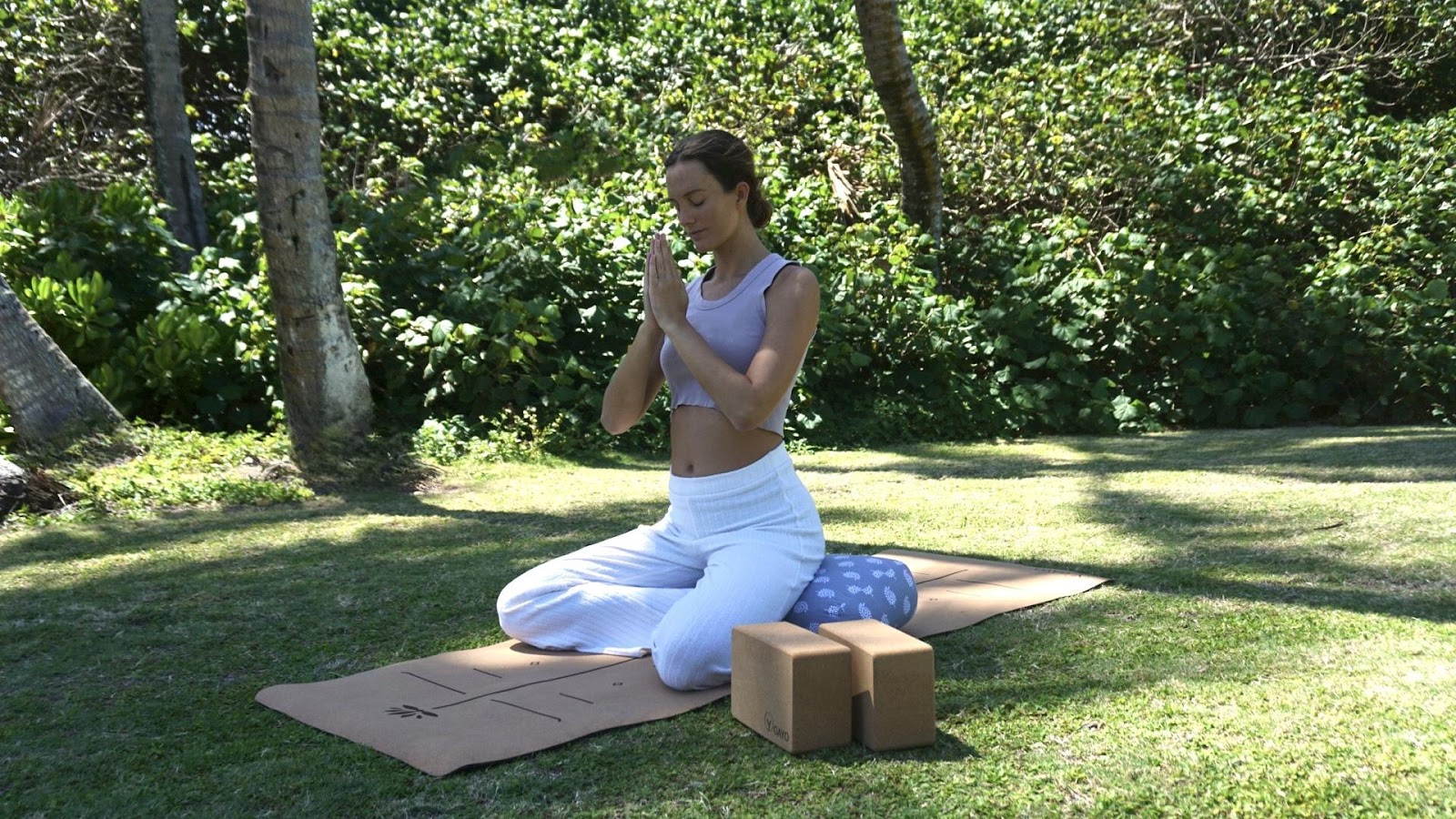
DSC01328.jpg


As the global wellness community continues to evolve, yoga remains one of the most powerful tools for self-regulation, balance, and transformation. But just as we’ve become more mindful of our breath and alignment, there’s a growing call to extend that awareness beyond the mat—toward the materials we practice on, and the impact our lifestyle has on the planet.

In this new wave of consciousness, sustainable yoga is no longer a niche—it’s a movement. And at the center of this movement is the search for eco-friendly yoga mats that support both our bodies and the Earth beneath us.


Why Sustainable Yoga Matters


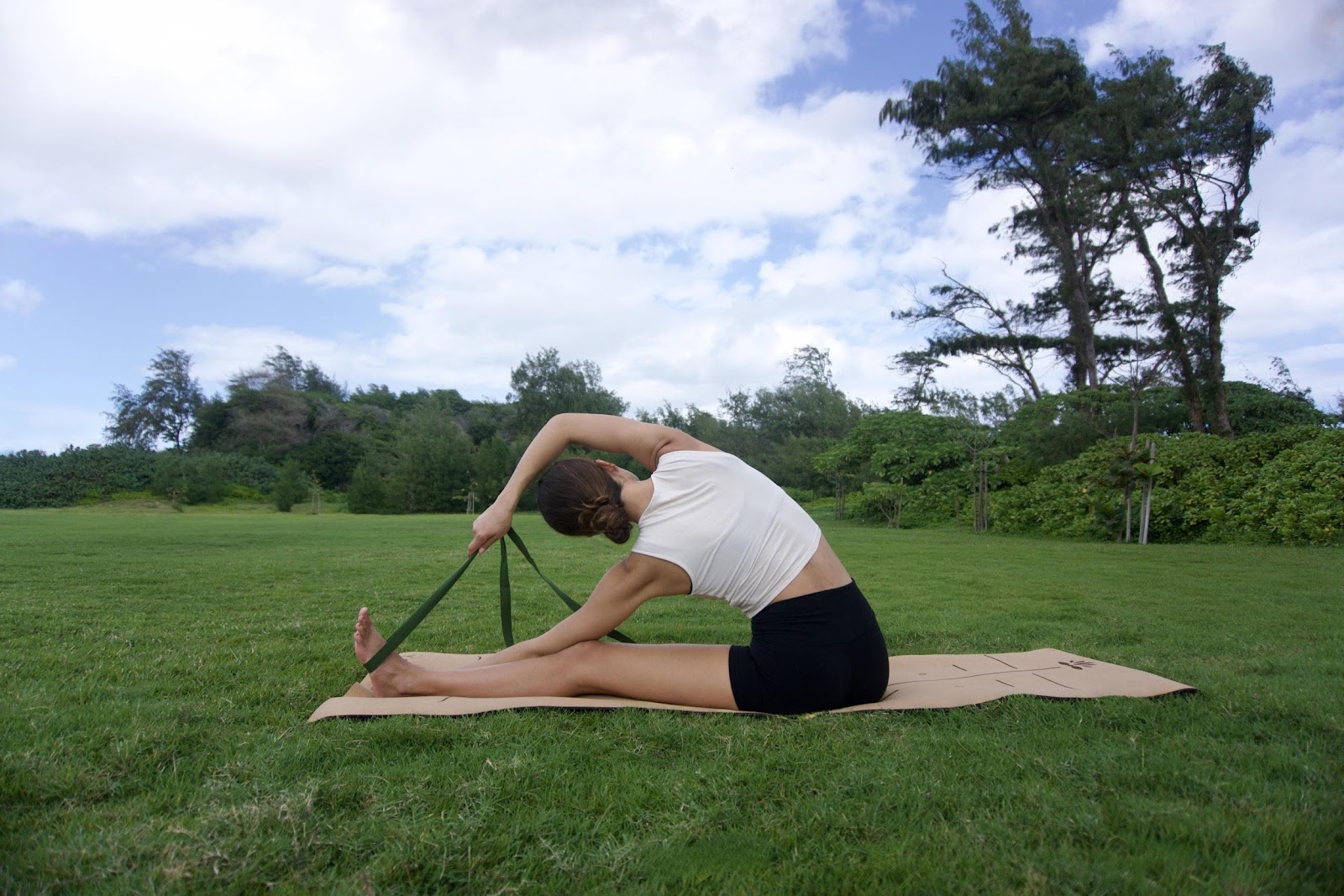
strap-3.jpg


The heart of yoga is rooted in ahimsa, or non-harming. Traditionally, this principle is interpreted in how we treat others and ourselves. But today, many yogis are expanding this definition to include how we interact with the environment—choosing to practice in ways that are not only personally nourishing, but ecologically respectful.

Unfortunately, the yoga industry has long been dominated by gear made of PVC (polyvinyl chloride) and other petrochemical-based materials. These mats are not biodegradable, difficult to recycle, and can release harmful toxins during production and disposal. It’s an ironic contradiction: practicing inner peace on materials that pollute the Earth.

That is why so many modern practitioners are turning to eco-conscious alternativesmaking intentional swaps that align their practice with their values.


What Makes a Yoga Mat “Eco-Friendly”?

The term eco-friendly yoga mat can sometimes feel like a buzzword—but not all mats are created equal. A truly sustainable mat considers multiple factors:


Materials: Natural rubber, cork, organic cotton, or recycled materials are all biodegradable or low-impact alternatives to plastic-based mats.


Production Ethics: Brands that prioritize ethical sourcing, responsible manufacturing, and minimal waste are key players in sustainability.


Longevity: A good eco mat is durable, which reduces the need for frequent replacements and lowers overall consumption.


End-of-Life: Biodegradable mats are designed to break down naturally when disposed of, leaving no toxic residue behind. When these elements come together, they help support a circular, earth-respecting approach to wellness gear.


The Rise of Conscious Consumerism in Yoga


Whether you’re a seasoned instructor or new to the mat, you’ve likely felt the pull toward a more intentional lifestyle. From clean skincare and sustainable fashion to zero-waste kitchen swaps, consumers are seeking brands that reflect their desire to do better. Yoga gear is no exception.


Social media conversations, Reddit threads, and yoga studio bulletin boards are filled with recommendations for eco-friendly yoga mats that don’t sacrifice grip, cushioning, or aesthetic appeal. And while cost can be a barrier, many are finding that the long-term value—both practically and ethically—is worth the initial investment.


More importantly, each purchase becomes a small, daily act of resistance against disposable culture.


Building a Sustainable Yoga Routine: Beyond the Mat


Choosing an eco mat is a great first step, but a fully sustainable yoga routine weaves intention into every part of practice:


1. Practice in Natural Light

Reduce energy use by flowing with the sun. Morning or golden hour sessions enhance circadian rhythm and lessen artificial lighting needs.


2. Ditch Plastic Props

Opt for blocks made of cork or recycled foam, and straps or blankets crafted from organic cotton.


3. Use Non-Toxic Cleaners

Many commercial mat sprays contain harsh chemicals. DIY blends of water, vinegar, and essential oils work beautifully.


4. Shop Mindfully

Choose fewer, better items. Look for multipurpose gear that blends sustainability with design.


5. Support Local and Ethical Brands

From handmade bolsters to community-run studios, directing your spending toward small, values-driven businesses keeps your practice in sync with your principles.


A Quiet Recommendation: Gayo

If you’re currently exploring eco options, Gayo is a brand worth adding to your radar. Rooted in minimalist design and ethical production, Gayo creates thoughtfully made, eco-friendly yoga mats using natural cork, organic cotton, and eco PU materials.


One of the most loved options is their Cork Yoga Mat, which becomes grippier with sweat—ideal for hot yoga and dynamic flows. For those seeking something lighter or more travel-friendly, their Organic Cotton Yoga Mat provides a soft yet durable base for grounding practices.


DSC01237.jpg

What makes Gayo stand out is their holistic commitment to slow, sustainable movement

—something they explore in depth in The Slow Practice: 5 Simple Swaps for a More Sustainable Yoga Lifestyle, a practical guide to aligning your yoga routine with eco values.


You can explore their full collection of eco-friendly yoga mats here, and find the one that supports your movement while respecting the Earth beneath it.


Final Thoughts: Slowing Down as a Form of Activism

Practicing yoga sustainably isn’t about being perfect—it’s about being awake. When we pause to notice the materials we use, how they’re made, and where they go, we start to see how our practice can ripple outward. We become part of a quiet but growing revolution—one where wellness doesn’t come at the expense of the planet, but is part of its healing.


So the next time you step onto your mat, ask yourself: Is this space supporting just me… or something more?


Ready to Start Your Sustainable Yoga Journey?


Explore Gayo’s full range of eco-friendly yoga mats and mindful movement tools. Align your values with every breath, every pose, and every product.


5.27.2025

3,200 Runners Joined the Haier Run for Future Possibilities 2025.

The Haier Run for Future Possibilities 2025 made an electrifying return on May 25 at the MOA Complex, gathering 3,200 runners in a powerful display of unity, health, and purpose. Now on its second year, the run not only championed physical fitness but also advanced Haier Philippines' mission of giving back—supporting education and well-being initiatives for Filipino youth with every stride.

The run wasn't just about reaching the finish line—it was about running for a cause. In line with Haier’s mission to give back, every step taken contributed to supporting educational opportunities for Filipino children, reinforcing the event’s deeper purpose of creating a brighter future for the next generation.

From the early morning assembly to the final steps across the finish line, runners enjoyed a seamless blend of activity and advocacy. This year’s run reaffirmed Haier’s commitment to going beyond home innovation and giving back to the community.


Beyond the race, participants explored Haier’s commitment to innovation through interactive booths featuring its five major product lines: Air Conditioners, Refrigerators, Gas Ranges, Washing Machines, and Televisions. Each booth offered engaging experiences, product demonstrations, freebies, games, and giveaways that drew runners in even after they crossed the finish line.

Participants were also treated to a festival-like atmosphere, with free taho, ice cream, refreshments, photo walls, and countless Instagrammable moments. Many runners proudly posed with their medals, capturing their achievement on camera and enjoying post-run photo ops.

The event also welcomed notable media personalities and influencers, who joined the run and mingled with participants. Runners were excited to meet and snap photos with their favorite content creators, adding star power to the already exciting event. In addition, Haier’s valued dealer partners participated in full force, showing their strong support for the brand’s advocacy and community outreach.


True to Haier’s spirit of giving, top finishers took home premium appliances including refrigerators, TVs, and washing machines—further motivating runners to push themselves toward the finish line. The raffle draws also gave everyone a chance to win exciting prizes, adding thrill to the morning’s activities.

But the true winners of the day were the communities supported by the cause. During the charity awarding, representatives from Autism Society Philippines and SOS Children’s Villages Pilipinas were acknowledged on stage, receiving donations that will further their invaluable work. Together, these efforts aim to create a brighter, more inclusive future for Filipino youth.


The event wrapped up with a lively performance, photo ops, and messages of thanks from Haier’s leadership. The energy and enthusiasm shared by all attendees confirmed what this run is truly about: celebrating milestones, advancing technology, and building better communities—together.

Haier would like to thank all runners, sponsors, media friends, influencers, and partners who made the event a massive success.

Until the next run—let’s keep moving forward, together.


5.16.2025

Natural Ways to Boost Your Mental Well-Being Today.

Want to feel better in yourself while also being kind to the planet, and avoiding any harsh chemicals or pharmaceuticals? Here are some great natural ways to boost your mental well-being today!

Photo credit: Kaboompics.

Hydrate Your Brain
Your brain is nearly 80 percent water so starting the day with a tall glass of plain H₂O should be top of your mental wellness list. Dehydration can lead to fatigue, headaches and a foggy mindset. Keep a reusable water bottle within arm’s reach and aim to sip regularly. If plain water feels boring try infusing it with slices of cucumber, lemon or fresh mint. You’ll stay hydrated and enjoy a tiny flavour boost without loading up on sugar.

Get Moving Gently
You don’t need to sign up for a marathon to spark positive chemicals in your brain. A short walk in fresh air or a light stretching session can raise serotonin and dopamine levels naturally. Yoga, tai chi or even ten minutes of dancing to your favourite song help reduce stress hormones and improve mood. The key is consistency. Find a form of movement that doesn’t feel like torture and sneak it into your routine every day.

Photo credit: Mareefe.

Harness the Power of Plants
Herbal allies like chamomile, lavender and lemon balm have been used for centuries to calm the mind. Brew a cup of herbal tea mid‑afternoon or sip on warm golden milk made with turmeric and ginger to add an extra anti‑inflammatory kick. Fresh houseplants such as pothos or spider plants not only clean the air but also provide a soothing green view that can lift your spirits when you’re working or studying at home.

Cultivate Social Sunshine
Humans are wired for connection so a quick catch‑up with a friend can do wonders for your mood. Whether it’s a face‑to‑face coffee or a five‑minute video call, sharing a laugh or a vent session reduces feelings of isolation. If scheduling regular chats feels tricky, try a weekly group chat or a short voice note chain to keep the conversation flowing without adding hours to your calendar.

Embrace a Digital Detox
Our phones and screens compete for brain space at a relentless pace. Designate tech‑free times, such as the first thirty minutes after you wake up and the last hour before bed. Use this window to journal, read a few pages of a paperback or simply stare out the window. Cutting out the blue‑light scroll marathon can improve sleep quality and give your mind some much‑needed breathing room.

Photo credit: RDNE Stock Project.

Build Micro‑Meditation Habits
Meditation doesn’t need to be an hour‑long ordeal. Even two or three minutes of focused breathing or a guided mini‑meditation can lower stress levels and boost focus. Apps or simple YouTube videos offer bite‑sized guided sessions that fit into any schedule. Try inhaling for four counts, holding for two and exhaling for six to activate your body’s relaxation response in seconds.

Prioritize Quality Sleep
Good sleep hygiene is nonnegotiable for mental resilience. Keep your bedroom cool, dark and quiet. Aim to go to bed and wake up at the same time each day to regulate your circadian rhythm. Limit caffeine after mid‑afternoon and swap evening screen time for a calming ritual like reading or gentle stretching. A rested brain processes emotions more effectively and bounces back from stress faster.

Explore Natural Supplements Tastefully
When you need an extra nudge toward calm, certain supplements can help. Adaptogens like ashwagandha support your stress response while magnesium soothes muscles and nerves. In places where they’re legal, some adults experiment with the best CBD & THC edibles to find a dose that eases anxiety without discomfort. Always start low, follow dosage guidelines and choose reputable brands to ensure a gentle, controlled experience.

By weaving these simple habits into your day your mental well‑being can get a natural boost without complicated routines or costly treatments. Hydrate, move, connect and give your mind space to breathe. Your future self will thank you for these small yet powerful steps toward a happier, healthier you.