Ads 468x60px

Showing posts with label medicine. Show all posts

11.13.2025

Holistic Approaches to Managing Serious Illness.

Key Takeaways:

  • Integrating traditional and complementary therapies can enhance the quality of life for individuals with serious illnesses.
  • Addressing spiritual and emotional needs is crucial in comprehensive palliative care.
  • Community support and social determinants have a significant influence on patient outcomes.

Photo credit: Matthias Zomler.

Understanding Holistic Care in Serious Illness

Holistic care emphasizes the importance of treating the whole person, considering not just the symptoms of a serious illness but also the individual’s physical, emotional, spiritual, and social needs. This philosophy aligns care with what matters most to the patient and their family—not solely focusing on curing the disease, but also on alleviating suffering and enhancing well-being. For those navigating complex health challenges, integrating approaches like hospice care can provide vital support. These programs focus on comfort and quality of life at every stage of illness, tailoring their approach to the unique needs of each individual.

By focusing on the interconnectedness of mind, body, and spirit, holistic care practitioners collaborate across disciplines to offer a more personalized plan. This approach looks beyond just clinical symptoms, recognizing that psychological stress, fears about the future, and a sense of spiritual distress are all important parts of the patient experience. Such comprehensive care can fill the gaps sometimes left by traditional medicine and offer dignity and relief when individuals need it most.

Photo credit: RDNE Stock Project.

Integrating Complementary Therapies

Many patients benefit from the blend of conventional medicine with complementary therapies such as acupuncture, massage, and meditation. Growing bodies of evidence suggest that these therapies can significantly manage symptoms such as pain, anxiety, and fatigue, offering patients avenues of relief that are gentle and adaptive to their personal circumstances. A prominent study published by the Office of Cancer Complementary and Alternative Medicine (OCCAM) found that incorporating complementary therapies in serious illness care not only improved symptom management but also raised patient satisfaction with their overall care. In practice, integrative centers like Health & Wellness of Carmel, or similar options elsewhere, can demonstrate how combining evidence-based medicine with holistic support can help address chronic conditions through personalized, root-cause-focused care. 

Complementary therapies often empower patients, giving them a sense of control over aspects of their treatment. Simple practices, such as guided imagery, music therapy, or mindfulness meditation, can nurture resilience and provide emotional support, which in turn can have positive physiological effects, further supporting health and recovery. This integrated approach is most effective when coordinated by knowledgeable practitioners—such as doctors, nurses, or specialists in palliative medicine—who can ensure safety, monitor outcomes, and adjust interventions as conditions change.

The Role of Spiritual and Emotional Support

The emotional and spiritual needs of patients with serious illnesses can be profound. Illness often provokes questions of meaning, fears regarding the future, and introspection about life and relationships. In recognizing these needs, healthcare professionals are increasingly trained to initiate compassionate conversations about beliefs, values, and sources of comfort. Such discussions can help patients reconnect with hope, foster a sense of peace of mind, and mitigate existential distress during times of vulnerability. Families, too, often find immense value in community and spiritual support, which can guide them through difficult decisions and bereavement.

Studies from trusted sources, such as the Mayo Clinic, emphasize the positive impact of spiritual care on well-being, underscoring the need for healthcare providers to address this vital aspect in holistic treatment plans.

Photo credit: RDNE Stock Project.

Community and Social Support

The influence of social determinants of health—such as education, income, and community resources—is immense when managing serious illnesses. Many patients face barriers to accessing healthcare, nutritious food, safe housing, or supportive social networks, all of which can impact recovery and quality of life. Programs that proactively connect patients with care navigators, support groups, transport services, and other resources help bridge these gaps, fostering greater stability and security for families managing serious illness.

Community initiatives and nonprofits are vital partners in the holistic care continuum. By aligning health services with community-based support, families are better equipped to handle the logistical, emotional, and even financial strains of illness, ensuring care is truly comprehensive rather than fragmented. Research published in Health Affairs suggests that improved outcomes can be achieved when community resources are integrated into palliative and serious illness care programs.

Challenges in Implementing Holistic Care

Despite the proven value of holistic care, its routine implementation faces challenges. Many healthcare systems operate under models that prioritize acute interventions and high-tech treatments, often overlooking the holistic context of a patient’s life. Additionally, there is sometimes hesitation within the medical community to fully embrace complementary therapies, partly due to varying levels of regulatory oversight and differences in provider education. The lack of standardized protocols and clear reimbursement mechanisms can also present barriers to access.

Continued research, professional development, and public education are essential steps in bridging these gaps. As more clinicians and organizations recognize the evidence supporting holistic models, adoption rates and integration with traditional care will improve, ultimately benefiting patients and their families during the most challenging times.

Conclusion

Holistic approaches to managing serious illnesses represent a compassionate and forward-thinking shift in healthcare. By treating the whole person and addressing the interplay of physical, emotional, spiritual, and social health, patients not only find relief from symptoms but also meaning, comfort, and dignity in their care journey. Continued effort toward education, advocacy, and integration will ensure that these holistic principles remain central to high-quality care for all individuals facing serious illness.


4.22.2024

Hemophilia Community Celebrates Success Over World Hemophilia Day 2024.

Hemophilia Advocates-Philippines (HAP), a national nonprofit organization for people with hemophilia and related bleeding disorders, proudly announces the success of its latest awareness campaign. Held at the Festival Mall, Alabang on April 13, 2024, World Hemophilia Day brought together about 250 patients, members, supporters, and advocates from across the country in a collective effort to raise awareness for those affected by hemophilia.


Hemophilia is a rare genetic bleeding disorder that affects about 10,000 Filipinos. However, in the 2020 study conducted by the World Federation of Hemophilia, only around 1,600 cases have been diagnosed and registered.


Through educational discussions led by HAP’s medical advisors from the Philippine Children’s Medical Center and Philippine General Hospital, attendees, mall goers, and Facebook live spectators learned more about hemophilia care in the present age. The gathering also highlighted testimonies of how HAP’s partnerships with other organizations created opportunities and positive impact to improve the quality of life of persons with bleeding disorders.


This event also strengthened our efforts to call forth the attention of the Philippine government to hasten the passage of the Bleeding Disorders Standard of Care Bills that have been pending in the House of Representatives and the Senate.

The generosity and compassion displayed by the guest speakers, advocates, and performers including Peter Harbinson a renowned Australian Opera Singer, underscored the importance of coming together to increase awareness and provide opportunities for individuals living with bleeding disorders to lead better lives.

HAP successfully commemorated World Hemophilia Day thanks to the commitment of its volunteers, donors, as well as foreign and local partners including Festival Mall-Alabang, Save One Life, Project
Share, Virtualahan, Jollibee, and the media sponsorship by Inquirer.net, Cebu Daily News Digital, Pop!, Preen.ph and Be An Inquirer.

The funds raised through donations and merchandise sold will directly support HAP’s initiatives to make information accessible and comprehensive care available at the grassroots level.


"We are overwhelmed by the incredible support we received during this event," said Andrea Trinidad, HAP's President. "Every donation, every step taken, and every conversation had a meaningful impact on the lives of those affected by hemophilia. Together, we are making a difference and providing hope for a brighter future."

HAP extends its deepest gratitude to everyone who participated, donated, and supported the event. The generosity and commitment to their cause are invaluable, and with our continued support, we can all create a world where individuals with hemophilia can live healthier, happier lives.


For more information about Hemophilia Advocates-Philippines and how you can continue to support their mission, please visit hemophilia.ph or contact our Executive Director Ms. France Alviz at 09955505315.


2.27.2024

New Survey Reveals Filipino Emergency Medical Professionals Often Overlook Life-Threatening Brain Condition.

A new survey commissioned by Encephalitis International, the peak global body for encephalitis, reveals that Filipino emergency medical professionals often overlook encephalitis, a life-threatening neurological condition characterized by brain inflammation, despite the presence of common symptoms. Survey results showed that over half (54%) of local respondents did not consider infectious encephalitis, and three-quarters (74%) did not consider autoimmune encephalitis as a diagnosis when presented with a list of accepted symptoms for each condition. The survey findings are released in line with World Encephalitis Day on February 22, 2024.


Moreover, despite encephalitis leading to death in up to 40% of cases, 66% of the respondents did not consider death as a potential patient outcome resulting from delayed recognition and treatment.

"In the wake of these alarming survey findings, it is clear that much more must be done to bridge the gap in encephalitis awareness and expertise. Encephalitis International is determined to increase this awareness among medical professionals through the development of globally accessible training programmes which will provide the tools for them to better recognise and treat encephalitis. Of course, we cannot do this alone and will continue to work alongside international entities, such as the World Health Organization, to elevate encephalitis as a global health priority,” shared Dr. Ava Eason, Chief Executive of Encephalitis International.

The condition can happen to individuals of any age, sex, and ethnicity, with symptoms varying depending on the type. Symptoms of infectious encephalitis encompass altered consciousness, behavioral changes, fever, and headaches, while autoimmune encephalitis presents with memory issues, psychiatric symptoms, altered consciousness, and personality changes.

With the risk of death or permanent brain impairment when the disease strikes, first responders are essential in promptly considering encephalitis during health emergencies to mitigate the worst-case patient outcomes.

Misdiagnosis in patients leads to worse patient outcomes
The survey results reveal the reality for encephalitis patients in the country. Roschelle Del Rosario, caregiver based in Bulacan and mother to 23-year-old patient named Alex, shared their struggle with his rapid symptom progression despite medical intervention. Initially experiencing insomnia, hallucinations, agitation, personality changes, appetite loss, and seizures, Alex was misdiagnosed with bipolar disorder. However, a second opinion in May 2023 revealed autoimmune encephalitis.


But diagnosis was just the beginning. Alex's health rapidly declined, leading to a four-and-a-half-month coma following the misdiagnosis. Roschelle highlighted the extensive research required into treatment options., which due to limited local resources, is largely dependent on international organizations like Encephalitis International, who is committed to funding research that aims to advance recognition, diagnosis, and treatment of the condition as well as rehabilitation and quality of life of all people affected and their families..

Alex had his whole life ahead of him as a graduating college student and the top of his class when his symptoms appeared. Today, he's a fighter battling encephalitis. He's overcome his comatose state and is even able to use his mobile phone again after losing his cognitive and motor skills due to the disease. Eight months into this journey, he still faces significant challenges like hallucinations and memory loss. Sometimes, you'll talk to him and the next second, he'll ask who you are. It's a tough road, but we still consider ourselves fortunate because, even though treating encephalitis in the country is difficult, we've found dedicated professionals who are willing to help and learn more about this disease so Alex can regain his health and have a chance at a normal life again,” shared Del Rosario.

Supporting emergency medical professionals with training for diagnosis
Further survey results found that only (35%) a third of local emergency medical professionals surveyed strongly agreed that their training had given them the confidence to recognise encephalitis. More than three-quarters (79%) somewhat or strongly agreed that they would benefit from more training.


Dr. Ferron Ocampo, an Adult Neurology Fellow of the Philippine Neurological Association and an advocate for encephalitis awareness, recognizes the challenges regarding the lack of training in encephalitis recognition and management in the country due to its rarity. Priority in resource allocation, including education and training, is given to more common conditions such as cardiovascular diseases and cancer. However, Dr. Ocampo stresses the importance of advocating for encephalitis awareness because this condition needs immediate attention, as delayed diagnosis can lead to worsening of the patient's condition and serious consequences if not treated promptly.

Encephalitis is a neurological emergency that can have devastating consequences if not diagnosed and treated promptly. However, not all medical professionals are aware of the symptoms and are confident in managing them. As we celebrate World Encephalitis Day, various international and local stakeholders should collaborate to prioritize providing training and resources to medical professionals worldwide in order to enhance encephalitis detection, diagnosis, and treatment,” Dr. Ocampo shared.

In line with this urgent need for education, Encephalitis International is launching its largest fundraiser yet, "Don’t Delay. Give Today." This initiative aims to promote early recognition and treatment to prevent death and disability from encephalitis by developing accessible, accredited training modules to provide more robust information and training on encephalitis. Emergency medical professionals in the Philippines and globally can access training opportunities by signing up for free professional membership.


12.07.2022

Daily use of maintenance inhalers results in better asthma control.

Simply treating asthma attacks when they happen is not always enough to manage patient condition.* I know that for a fact, as I have asthma and come from a family of "asthmatics". 

However, the reality is that asthma patients often underestimate their diagnosis and therefore fail to get the proper, persistent treatment that they need. Research shows that 6 out of 10 asthmatic individuals consider their condition to be controlled, despite 41.3% reporting shortness of breath at least three times a week, and 57.8% having to use their reliever inhalers at least twice a week.**

As a result, the chances of complications may rise. Those with under-treated asthma can suffer from sleep disturbance, fatigue, poor concentration***, or airway inflammation****. There's also the risk of needing emergency care or hospitalization for treatment. And in the most severe cases, asthma can lead to death.*****

Being a chronic condition, asthma requires medication that not only relieves current symptoms but also provides sufficient control to improve the patient’s quality of life. Here’s a rundown of the usual medication for asthma patients, as well as new evidence which cites daily treatments as a more effective way of managing asthma both in the short-term and long-term.


Asthma Relievers versus Controllers
The first medication type that asthma patients typically take is called a reliever. A staple in our home, and a must-have everywhere I go, these fast-acting medications relax tightened airway muscles and open them up, alleviating acute signs of asthma. Relievers help when a patient suffers an asthma attack, but may also be used as a preventive measure in some instances. For example, a reliever may be used prior to physical exercise to prevent asthma attacks.^

On the other hand, controllers are medications meant to reduce the inflammation in the lungs, therefore preventing asthma symptoms over time. These usually contain steroids. Unlike relievers which are used as needed for short-term symptom relief,^^  controllers are usually taken on a daily basis - even when patients are not experiencing any acute asthma symptoms.^^^

The Effectivity of Daily Asthma Treatments
A recent study by Professor Dave Singh looked into the efficacy of proactive treatments via inhaled corticosteroids (ICS) or maintenance inhalers. Singh’s study revealed that higher doses of ICS treatment and higher adherence to treatment schedule generally provided the best protection for most forms of asthma.^^^^

Supporting this is a post-hoc analysis of data from a GSK-sponsored AUSTRI study which finds that in patients with a one-year history of exacerbations, ~92% of those treated with a daily regimen of ICS/LABA did not exacerbate during the treatment period.


Additionally, this same study also showed that this specific approach to daily treatment was able to reduce asthma attacks by 21.8%.^^^^^ Patients treated with daily usage of ICS-LABA witnessed fewer asthma exacerbations compared to those treated with ICS alone.

"These new pieces of evidence simply tell us that the daily usage of ICS treatments can in fact treat both the immediate symptoms of asthma, while also providing long-term control for the condition," explains Dr. Gyneth Lourdes Bibera, Country Medical Director of GSK Philippines. “Asthma shouldn’t just be treated as a condition that happens occasionally. It's better to follow a consistent plan that involves daily asthma treatment, to address evident and underlying symptoms and ultimately decrease the number and severity of asthma attacks over time,” she says.

 
*Medication for people with asthma. (2017, November 30). National National Center for Biotechnology Information. Retrieved September 23, 2022, from https://www.ncbi.nlm.nih.gov/books/NBK279519/
**Price D, et al. npj Prim Care Respir Med 2014; 24:14009; 2. Chapman KR, et al. Respir Med 2021;186:106524.
***Asthma. (2022, May 11). Retrieved September 23, 2022, from https://www.who.int/news-room/fact-sheets/detail/asthma
****Asthma: Treatments for Inflammation. (n.d.). Cleveland Clinic. Retrieved September 13, 2022, from https://my.clevelandclinic.org/health/drugs/11871-treating-the-inflammation-of-asthma
*****Asthma. (2022, May 11). Retrieved September 23, 2022, from https://www.who.int/news-room/fact-sheets/detail/asthma
^Medication for people with asthma. (2017, November 30). National National Center for Biotechnology Information. Retrieved September 23, 2022, from https://www.ncbi.nlm.nih.gov/books/NBK279519/
^^Asthma medications: Know your options. (2022, August 19). Mayo Clinic. Retrieved September 23, 2022, from https://www.mayoclinic.org/diseases-conditions/asthma/in-depth/asthma-medications/art-20045557
^^^Medication for people with asthma. (2017, November 30). National National Center for Biotechnology Information. Retrieved September 23, 2022, from https://www.ncbi.nlm.nih.gov/books/NBK279519/
^^^^Singh, D. (2022, March). New Versus Old: The Impact of Changing Patterns of Inhaled Corticosteroid Prescribing and Dosing Regimens in Asthma Management. Springer Open Choice, 39(5). https://doi.org/10.1007/s12325-022-02092-7. Accessed 13 Sept 2022.
^^^^^USTRI post hoc analyses - Busse W, et al. J Allergy Clin Immunol Pract. 2022;S2213-2198(22)00341-5.

10.04.2022

Daily treatment: key to managing asthma, according to new study.

In the Philippines, the National and Health Nutrition Survey states that the overall prevalence of asthma was estimated at 8.7% based on wheezing for the past 12 months. And according to the 2017 WHO data, asthma deaths in the country reached over 13,000.****

According to this research, “New Versus Old: The Impact of Changing Patterns of Inhaled Corticosteroid Prescribing and Dosing Regimens in Asthma Management” by Professor Dave Singh, daily usage of inhaled corticosteroids (ICS) or maintenance inhalers, addresses both the evident and underlying asthma symptoms that patients experience, decreasing the number and severity of their asthma attacks. This also solves the tendency of patients' over-reliance or under-reliance on their needed medication.*

An additional study shows that nearly 50% of asthma patients in Asia have uncontrolled asthma, despite the same research stating that over 80% of patients consider their asthma to be controlled.**


Consistency over complacency
“When it comes to asthma, poor patient perception is a serious risk. The belief that patients usually have is that their condition is not as serious as it actually is. When in reality, they are already experiencing underlying complications, such as airway inflammation, airway remodeling, decreased lung function, and bronchial hyperreactivity,” says Dr. Gyneth Bibera, Country Medical Director of GlaxoSmithKline Philippines Inc. “The underestimation of their disease's severity often leads to complacency, assuming that they only need treatment to react to symptoms when experienced. What this does is heightens the risk of asthma attacks, emergency hospital visits, a decreased quality of life, or even death.”

Asthma is a chronic respiratory disease that requires maintenance medication. An effective way to manage it is through a preventive daily treatment using ICS therapies, alongside other prescribed medication that a patient might have. It helps to address the underlying source of the asthma attacks***, as opposed to only using ICS as a reliever once symptoms are already present. By committing to early and consistent treatment, patients can avoid experiencing asthma symptoms and exacerbations.****

“Patients must view their asthma treatments as preventive rather than a reactive measure to control their condition. In partnership with their physicians, it's about maintaining consistency of treatment to provide them the best outcome in managing a chronic condition like asthma.” Dr. Bibera ends.

-------------
*Singh, D. (2022, March). New Versus Old: The Impact of Changing Patterns of Inhaled Corticosteroid Prescribing and Dosing Regimens in Asthma Management. Springer Open Choice, 39(5). https://doi.org/10.1007/s12325-022-02092-7. Accessed 13 Sept 2022.

**Price D, et al. NPJ Prim Care Respir Med 2014 Jun 12;24:14009. Price D, et al. J Asthma Allergy 2015; 8, 93-103. Accessed 13 Sept. 2022.

***Asthma: Treatments for Inflammation. (n.d.). Cleveland Clinic. Retrieved September 13, 2022, from https://my.clevelandclinic.org/health/drugs/11871-treating-the-inflammation-of-asthma 

****Philippine Consensus Report on Asthma Diagnosis and Management 2019; Executive Summary; CH1; p7; PCRADM-2019-Exec-Summary-.pdf (philchest.org)


5.28.2022

Thinking About Dual Special Needs Plans.

The History of Medicare and Medicaid
Medicare is a program that was created in 1965 in the United States of America to help especially vulnerable people in society who need government assisted healthcare. It was initially run by the Social Security Administration, but it was shifted to its own Center eventually. Medicare was signed by President Lyndon B. Johnson, and a symbolic move was enjoyed when Former President Harry Truman and his wife were the first people to benefit from Medicare.

Medicare is, as all things are, integral to understanding racism in America. In the United States, when you examine literally any portion of society, you can find out a little bit more about just how racist and prejudiced this country actually is. Medicare was withheld from hospitals in the 1960s unless they integrated their services so that doctors were willing to see non-white patients. There is a lot of information about this online and you can learn more by searching for it. But let us back up for a second and consider the society that rendered such an arrangement necessary.

Photo credit: PopTika.

Would you want a doctor to operate on you who was morally opposed to helping black people for their entire life up until that point? If you are a black person, you should have extreme reservations and many people did and still do. Healthcare outcomes in America are disproportionately terrible for black people, and several studies have discovered that doctors are far less likely to be helpful or useful to black patients. They simply do not see black people as full humans and are more likely to ignore black people in pain.

This has had an adverse effect in black patient outcomes. The only silver lining that exists is the fact that American doctors have historically refused to believe black people when they say they are in physical pain. Doctors think black people are either lying, deserve to be in pain or simply do not care whatsoever that African Americans are suffering. So, when American doctors began to prescribe opioids with reckless abandon in the 1990s, African-Americans were left out of this experience.

Photo credit: ICMA.

As a result, we talk about the opioid crisis in America as an epidemic and it is a drug abuse issue that is being mentally ingested by Americans as a medical issue as opposed to a criminal issue. If most folks ingesting opioids and becoming addicted were African Americans, it is highly likely that this issue would be handled punitively. This is the nature of how things are handled in America. It is a country where inequality is blatant, obvious, and nobody is doing anything about rectifying it. The presence of an African American president was utterly irrelevant in this vein.

Medicare is thus a direct channel to understanding the racist history of this country in its post-modern era since the 1960s. This makes it especially shocking that Medicare and Medicaid have slowly been expanded over the course of the last few decades under several different presidencies. Bit by bit, we have been adding different eligible groups to Medicare and Medicaid, such that we are now in a place where we need dual special needs plans for people who have access to both programs.

Considering Dual SNPs And Their Role
This represents a huge step forward for a country that has not historically given much thought to the healthcare of its citizens, especially since legal discrimination has been outlawed. It is extremely shocking that over the course of several presidencies, we are now able to enjoy dual SNPs for people who are under 65, and in many cases, are even children! We have a long way to go, but we must acknowledge that for America to come this far, someone had to consider the needs of people over profits.

Photo credit: Pixabay.

Dual SNPs are also incredibly forward thinking as there is preventative medicine integral to its implementation. For example, coverage benefits can include healthy food options at grocery stories. For a country that struggles with obesity (Americans are the fattest people in the world), support for healthy eating built into a health insurance program is a shocking advancement. Dual SNPs also provide direct prescription drug delivery for people who need it, which again is cutting out a transportation expense that the government would normally not consider.

Additionally, transportation is also covered by these programs because Dual SNPs will pay for the cost of your transport to an emergency room, urgent care facility or even a simple visit to your primary care provider. Lastly, Americans have special bones that do not normally count under typical American healthcare: our teeth. Dentistry in America is often extremely expensive and complicated, unless it falls under the auspices of public health dentistry (https://www.britannica.com/science/public-health-dentistry).

Photo credit: Pixabay.

Even though our teeth are directly connected to our cardiovascular systems, American companies segregate dental care from the rest of medical care and require an entirely separate set of health insurance and assistance. This is yet another unfortunate example of profits being more important than people in the United States. However, Dual SNPs actually cover dental care without the need for an entirely different contract. This represents a huge step forward for a country that normally parses out healthcare in small parts in order to maximize profits.


2.17.2022

Babangon Ka Sa Flu at Iba’t Ibang Sakit Ngayong Flu Season!

While the country has officially gone past the flu season—which usually takes place in the chilliest months of the year—one can never be too complacent. With summer fast approaching, we still have to watch out for symptoms associated with having the flu: sniffles, sneezes, headaches, and fevers, plus a few body aches here and there. And because the flu shares many symptoms with COVID-19, catching the former also means that the average Pinoy will have a little less peace of mind.

In short, flu symptoms aren’t just more common these days—they’re also a lot heavier to deal with.

That’s why it’s generally a good idea to get tested for COVID-19 in case one experiences flu symptoms. In the event that it’s confirmed to be COVID-19, one can start practicing the necessary isolation and treatment protocols.


On the other hand, if that cough turns out to be a symptom of the flu, it isn’t enough to stop at the negative COVID-19 results. Flu symptoms still need to be treated ASAP, as they may lead to more serious health complications.

When a cold or flu creates a blockage in the sinuses, for example, this can trap bacteria and viruses inside through the mucus. A bad enough infection can lead to sinusitis, which in turn causes severe headaches, fever, facial pain.

The fluid buildup from the flu can also cause bacteria or viruses to infect the space behind the eardrums, leading to a painful ear infection. In people with asthma, flu symptoms can trigger asthmatic attacks, or cause difficulty breathing among people without asthma. Flu symptoms could also make it more difficult to sleep. Studies have found that a lack of sleep can have a negative effect on the immune system, making someone more vulnerable to different illnesses.

Given how important it is to immediately treat flu symptoms, medication for these symptoms is a must- have during the country’s flu season. For many Filipinos, the ideal fix is to have a multi-benefit solution like Phenylephrine HCl Chlorphenamine Maleate Paracetamol (BIOFLU) at home.

Unlike other medications that address only one or two flu symptoms, Phenylephrine HCl Chlorphenamine Maleate Paracetamol (BIOFLU) is specially formulated to provide relief for all common flu symptoms. It helps relieve fever, colds, clogged noses, sneezing, headaches, body aches, joint pain, chills, sore throat, and cough due to post-nasal drip. It can also help reduce itching in the eyes and treat a runny nose.

Its formula was also created to treat the symptoms of other ailments like allergic rhinitis and sinusitis, making it a valuable multi-purpose medication for every household. At just PHP7.50 SRP per tablet, it’s also one of the most sulit solutions available to Pinoys. The medication provides relief for multiple illnesses and prevents complications from their symptoms at a cost cheaper than a cup of coffee.

And because a lot of the symptoms that it treats are also common side effects from COVID-19 vaccines and boosters, the medication has also proven to be helpful for people who need to get back to work soon after getting their shots.

With flu season in full swing and a pandemic still hitting Pinoys where it hurts, it’s always good to keep medication handy that can help people bounce back more easily from the symptoms. When it’s a multi- benefit solution, it’s more than just helpful—it’s sulit.

12.08.2021

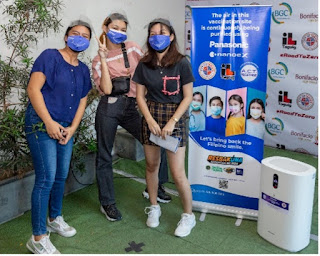
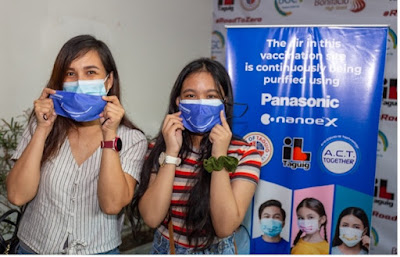
Panasonic nanoeTM X Technology Helps Parents and Their Children Feel More Protected in Taguig City’s Main Vaccination Site.

Panasonic, as part of its global campaign to spread advocacy for cleaner and fresher air for life, recently partnered with the local government of Taguig City through the provision of nanoeTM X air purifiers and nanoeTM X portable generators at the city’s vaccination site in Bonifacio Global City. The groundbreaking nanoeTM X technology of Panasonic has been verified to have inhibitory effects on airborne and adhered viruses, including the novel coronavirus*.

Members in attendance at the official turnover and donation, which took place in Taguig City Hall last November 11, included Taguig City Mayor Hon. Lito Cayetano and Panasonic Country Head and General Manager of Life Solutions, Yosuke Tanaka.


The main vaccination site in Bonifacio Global City, which recently opened its doors to minors, aged 12-17, to finally receive COVID-19 vaccinations are now protected by a total of 50 Panasonic products equipped with nanoeTM X technology. Parents and their children in attendance were also treated to Panasonic freebies that included nanoeTM X face masks, fans, and pillows, and most importantly, further information on Panasonic’s groundbreaking technology.


When asked about how they felt about the protection provided by Panasonic’s nanoeTM X technology, Aileen Yasay, who accompanied her daughter Lorraine at the site, shared, “It’s a great feeling knowing there is something nearby protecting my family from the virus.” Jaron Amorsolo, Taguig City’s security guard watching over the site, also shared, “This makes me happy, knowing that my own protection from the virus is just as important in keeping the virus away from my family at home.”

Panasonic’s donation to Taguig City is part of a bigger program by Panasonic Corporation to provide cleaner and quality air to strategically selected areas and sites in the National Capital Region in need of Panasonic’s COVID-19 inhibiting nanoeTM X technology. Previous donations were made to Malabon City, Mandaluyong City, Quezon City, Makati City and the Philippine General Hospital (PGH) to provide further protection for medical front liners.


“The global policy of Panasonic is the contribution to society,” Yosuke Tanaka shared. “And I think at this time, the most important assistance we can provide is to make people feel safer and more secure to smile once again. Now that vaccinations are open to children, we hope this is a step in the positive direction in ensuring everyone’s safety, children and parents alike.”

For more information on Panasonic and its patented technologies, please visit https://www.panasonic.com/ph/nanoe

Notes: 
*: based on the Texcell, global contract research organization, verified the inhibitory effect of the nanoe™ X technology with the benefits of hydroxyl radicals on adhered novel coronavirus (SARS-CoV-2) placed in 45L box. Over 99.99% of adhered novel coronavirus (SARS-CoV-2) activity was inhibited within 2 hours. Note: This verification was designed to generate basic research data on the effects of nanoe™ X on the novel coronavirus in laboratory conditions different from those found in living spaces. It was not designed to evaluate product performance.


10.20.2021

QURE is here: A teleconsultation and wellness website made by Filipinos for Filipinos.

A teleconsult website that promises to make medical consultations easy and convenient for many Filipinos was finally launched today, October 20.

QURE.ph, an all-Filipino-made website, provides a platform for online video consultations, connects doctors and patients for easy scheduling of appointments, and makes available a directory of pharmacies and other health and wellness providers. QURE.ph offers a free platform for doctors who want to expand their services via teleconsult amid increasing demand for virtual consultation.

Earlier today at the Qure Press Launch.

“We created this platform with the Filipino patient in mind. It’s a simple website and it does not complicate the teleconsultation process. Even those not comfortable with technology will find these consultations easy to do. This is our new normal and QURE is here to help you navigate the future of healthcare,” said Gary Libby, QURE Chief Technology Officer.

A trip to the hospital may also be burdensome these days, as the COVID pandemic persists. QURE will help Filipinos find their way through this public health crisis while keeping their health in check.

“This will definitely benefit doctors and patients. No more overbooking for doctors, and no more long lines for patients waiting for their turn at clinics. Whether via teleconsult or face-to-face check-ups, the scheduling system of QURE helps both patients and doctors,” Libby added.

Andrea Trinidad, Chief Executive Officer of QURE, said the idea of the teleconsult platform started last year when the lockdowns extended and it became difficult for patients to see their doctors. Trinidad, who has a life-long disorder called hemophilia and is the president Hemophilia Advocates-Philippines, said the pandemic really affected patients.

“When I was approached by my friends last year and they shared with me their idea of a telemedicine platform, I told them it was brilliant. We envision QURE to be an e-mall of health services where you can book consults, buy medicines, book laboratory appointments and even book a consult with the veterinarian for your fur babies,” she added.

QURE is here!


More to know about QURE:
1. The platform is data-safe, both for patients and doctors.
Registering is FREE for patients and doctors. Consultation fees range from P500 to P1,500, depending on doctor’s specialization. But for its introductory price, QURE is offering a 50 percent discount for consultations.

2. Registered users can look for doctors for their tele-consult.
Specialists have expertise on: Cardiology; General Surgery; Obstetrics and Gynecology; Integrative General Medicine; Internal Medicine, Dermatology; Otolaryngology (ENT); ENT Specialist Head & Neck Surgery; Psychiatry-Adult; Physical Medicine/Rehab; Pediatrics; Allergy & Asthma, Immunologist; Urology; Sleep Medicine/Insomnia; Ophthalmology; Family & Occupational Medicine; Cardiology; Pediatrics-Pulmonology; Family Medicine; Lifestyle Medicine, Orthopedic Surgery and Hematology/Oncology.

Also in QURE’s pool of experts: Nutritionist Dietician; General Dentistry/Orthodontics; Dentistry/Prosthetic and Esthetic.

3. The website lets you know who is online.
Is the doctor in? No need to guess or call the doctor’s secretary. Through the QURE website, you can easily see if the doctor is available to take consultations. 

Dr. Dex Macalintal is in!

4. Find doctors in your area or teleconsult with a specialist anywhere in the Philippines
QURE has a growing number of specialists from all over the country. The drop-down menu on the website shows that many doctors have already signed up. Many more are joining QURE in the following weeks.

5. It’s a growing health and wellness community.
In the coming months, expect more health and wellness features. You will also soon see reviews of doctors done by patients themselves.

For more information about QURE, you may contact us at support@qure.ph or 0991.398.8781. To check our pool of specialists, visit https://qure.ph/search-doctor]


7.06.2021

Vaccinated! | My COVID Vaccine Experience.

I got vaccinated! After weeks and weeks of waiting, I finally got my first dose of the COVID vaccine!

Vaccinated! 06.26.2021

You've probably seen this photo on my Instagram or on my Facebook page (if you're following me, that is). It's been a little over a week since this happened; I actually waited for a few days before writing about my vaccine experience because I was looking out for the side effects. That being said, here's what transpired before, during, and after vaccination day.

A bit of a backstory first... 
We had a COVID scare sometime last April. Two of our neighbors from the same household tested positive, and although I did not have direct contact with them, I was a close contact of my next-door neighbor who had been exposed to them. Upon hearing the news that they tested positive, I became extremely frantic, broke down, cried, and prayed so hard that neither Yue and I got the virus Yue and I immediately went on self-quarantine and spent the next 14 days completely locked up inside our home, not even daring to set foot outside the door.

We were hoping that we would be swabbed (RT-PCR test), but no one from the City Health Office came to our place because we weren't declared as close contacts despite possible exposure and living next-door to two COVID patients. Thankfully, we were able to finish our 14-day self quarantine without a hitch. No symptoms whatsoever. No colds, no cough, no fever, and definitely no loss of smell and taste. 

After that ordeal, I became more hellbent than ever in getting vaccinated. About a day or two after our quarantine ended, I immediately went to our barangay hall and submitted my vaccine registration form (this form was distributed house-to-house by our barangay officials a few days before our COVID scare incident) together with a copy of my government IDs (Philhealth, SSS, and TIN) and a 2x2 ID picture.

Our LGU's vaccine registration form.

Afterwards, I got in touch with doctor friends and relatives working in local hospitals on what I should do next. My Mum, who is a nurse in the UK, strongly advised me to get a blood work done before I get vaccinated because of my hypertension and asthma. I skipped this part, though, out of fear of catching the virus (most of the diagnostic laboratories here also offer rapid antigen testing, and I don't want to be exposed to anybody possibly carrying the virus)

Thankfully, I was able to secure a medical certificate and an updated prescription from my pulmonologist with the help of my cousin who works as a nurse at the general hospital. Both are required for those under the A3 category aka 'Persons with Comorbidities'.

And so the waiting game began...
About a week or two after I have submitted my registration form, the vaccine rollouts began in my city. First to be vaccinated were the medical frontliners, barangay health workers, and other frontliners for the barangays and LGU (A1 category). Later on, they began vaccinating on the senior citizens (also known as the A2s), as well as those with comorbidities (A3). During these times, the vaccines that were being administered were either Sinovac or Astra Zeneca. 

I have to admit, at first, I wasn't too keen on getting either of these two vaccine brands for myself. Like most people who have heard of the news about blood clots related to Astra Zeneca, or the fact that Sinovac has the lowest efficacy among all the COVID vaccines currently available, I wanted the Pfizer vaccine. But after that COVID scare and with these new COVID variants coming out, I was ready to be vaccinated with whatever brand that's available. Because like what they keep on saying on TV, the best vaccine is the one that's available to you.

The month of May came and went, and still no notification from the barangay or the City Health Office about my vaccination schedule. Entering the month of June, news about the Pfizer vaccine arriving in our LGU started to spread like wildfire. By this time, I was getting excited, at the same time desperate to be vaccinated. From time to time, I would check with my cousin if I already have a vaccination schedule.

After so many, many weeks of waiting, the call that I had been waiting for finally came. Around noontime of June 25, I got the call from the General Hospital that I was scheduled for vaccination the next day (June 26). Luckily, my siblings and I were scheduled on the same day, too. We were advised to come to the vaccination site in the morning, as early as possible, because the vaccination will be on a 'first come, first served' basis.

Vaccination day, finally!
The following day, I was up by 4:30 am, the earliest that I have woken up ever since the lockdown started. By 6 am, my siblings and I were on our way to the Mega Vaccination Site, located in the outskirts of the city, about 2 miles from where we live.

The Mega Vaccination Site, located in Brgy. San Jose, San Pablo City.

There was already a throng of people when we entered the building. They were all seated, already occupying almost half of the seats inside the vaccination site. Thankfully, we were able to secure seats easily, and as soon as we sat down, we were handed a bunch of papers which included a consent form, an assessment form, a monitoring checklist, a discharge form, and some pertinent information about COVID vaccines and what vaccine will be administered to you. 

Vaccine FAQ's + some forms that you need to fill out.

From the get-go, I knew that we were getting the Pfizer vaccine, and inwardly, I was screaming for excitement and joy. I tried not to get too excited though, because my blood pressure might shoot up. 

Now here's what to expect if you're getting the COVID vaccine at the San Pablo City Mega Vaccination Site. First is the Registration Area. This is where they confirm your identity and double check if you are indeed scheduled for vaccination on that particular day. Strictly no walk-ins! 

The organized crowd, sitting in line for the Registration Area.

Step 2 is the Counselling Area. Here, they check and monitor your blood pressure and inform you about the vaccination process. The staff and nurses at this point are nice and friendly, and more than willing to answer all your questions regarding vaccines.

Normal blood pressure, yay!

My brother, also sitting in line.

Next is the Screening Area where a doctor will check your health condition and assess whether or not you are fit for vaccination. 

Step 3- Screening Area.

My greatest fear that day was my blood pressure shooting up and not being able to get vaccinated because of my hypertension. Thank goodness that did not happen and I was given the 'Vaccinate' stamp of approval by the attending physician.


Then, we got to the much-awaited step - the Vaccination Area. The photo above is the line leading to the vaccination room. 

Inside the Vaccination Room.

This photo is inside the Vaccination Room. I asked permission from the doctor if I could take pictures of myself while getting vaccinated for blogging purposes. The kind doctor, Dr. Lucy Celino, asked me to hand my phone over to the nurse beside her so she can take my pictures instead. Thank you, Doc! :)

Good jab! Excuse my fat arms, lol.

Once you exit the Vaccination Area, you go straight to the Encoding Area where they check your forms, your ID, and your vaccination card. Afterwards, the nurses will then usher you to the Monitoring Area where they will once again check your blood pressure and monitor your condition for the next 30 minutes before endorsing you for discharge. The nurses had to check my blood pressure twice because my blood pressure was at 140/90 when I entered the Monitoring Area. 

After fifteen minutes, my blood pressure was back to normal and I was then endorsed to the Discharge Area. This is the last and final step where a doctor will talk to you and explain the possible side effects of the vaccine and what you should do in case you get allergies, feel nauseous, or experience difficulty in breathing. 

And with that, after nearly four hours of waiting/sitting in line, our first dose of the COVID vaccine was done! Thank you to the hardworking nurses, doctors, and staff of the San Pablo City General Hospital who were in charge of the San Pablo City Mega Vaccination Site! You guys are awesome!

Good jab! :)

Any side effects?
Surprisingly, there were no adverse side effects with the Pfizer vaccine. My left arm felt very heavy and the injection site felt quite sore for the next three days, but that was pretty much it. I felt a bit of nausea the day after vaccination, but it was fleeting, like less than an hour. I can't even attribute it directly to the vaccine because I was also extremely busy that day - cooking, cleaning the house, replying to emails, beating a writing deadline, and working on a blog campaign all at the same time. 

I'm hoping the second dose won't have adverse side effects as well. We're getting our second dose on the 18th if there will be no changes to the schedule. 

For those of you who have not been vaccinated yet, you may now register online, especially if you belong to the A1, A2, and A3 categories. The San Pablo LGU is also encouraging those from the A4 (Economic Frontliners) and A5 (Indigent Population) categories to sign-up for vaccination, too. You can now register online with this link: https://tinyurl.com/SPCERegistro

For more information about the registration procedures and requirements, follow the San Pablo City Health Information Center's official Facebook page.

For announcements about the vaccination schedule, follow the City Information Office's official Facebook page.

You may also coordinate with your respective barangay regarding the registration and your vaccination schedule.