



Key Takeaways
- Establishing a practical budget is foundational to ensuring your money works for your lifestyle and your goals, providing a clear map for spending and saving decisions.
- Emergency funds provide essential protection against life’s unpredictability, offering an invaluable buffer against sudden expenses or income loss.
- Automating savings and payments builds consistency, minimizes the risk of error, and reduces the stress of keeping up with due dates and obligations.
- Continued financial education leads to wiser decisions, providing long-term benefits and enabling you to stay ahead of trends and changes in the financial landscape.
Managing your personal finances effectively isn’t just about numbers; it’s about making deliberate, informed decisions that support your long-term security and bring peace of mind. Every financial move you make today can influence your future comfort and stability, whether that’s maintaining a balanced budget, meeting obligations on time, or planning for significant life events. Proactive financial management empowers you to confidently meet your immediate needs, pursue your longer-term goals, and handle unexpected events with greater poise and assurance. Whether you're seeking support for an urgent expense or laying the groundwork for a brighter future, understanding all your financial options, such as borrowing responsibly from MaxLend, can be an essential part of your broader financial strategy. Recognizing the significance of your financial behavior unlocks opportunities for growth and independence. Building a solid foundation for your finances begins with awareness and intentional action: tracking where every dollar goes, preparing for life’s uncertainties, and taking practical steps to ensure your hard-earned income works in your favor rather than against you. These habits aren’t just about cutting costs; they’re about maximizing your resources and creating a lifestyle that aligns with your values and aspirations. Embracing wise financial choices and leveraging available tools, such as apps, digital banking platforms, or financial advice services, can guide you toward lasting financial well-being and help you avoid common pitfalls. Prioritizing financial health is a journey, and each conscious choice is economic over time.
 |
| Photo credit: Kindel Media on Pexels. |
Creating a Practical Budget
Effective budgeting is the first and often most crucial step in gaining control of your finances. By methodically tracking every source of income and all expenses, from basics like rent and groceries to discretionary items such as dining out or subscriptions, you gain visibility into your spending patterns. Identifying exactly where your money goes helps you spot trends and areas for potential improvement, such as unnecessary subscriptions or luxury purchases that could be scaled back without meaningful sacrifice. Numerous tools and apps designed specifically for budgeting can simplify the process; many allow you to set spending limits, categorize expenses, and receive alerts when you are close to exceeding a preset threshold. This level of clarity is vital for creating and attaining both short- and long-term financial goals, ensuring each dollar serves a purpose. Sticking with a personal budget requires honesty and realistic expectations. It’s important to remember that overspending once in a while does not mean you have failed; instead, it’s an opportunity to revisit your plan and make necessary adjustments. Life circumstances, such as a new job, increased expenses, or shifting priorities, can affect your financial trajectory, so it’s essential to review and update your budget to reflect these changes regularly. This ongoing process ensures your financial strategy remains relevant and supportive of your overall well-being.
Building an Emergency Fund
Having an emergency fund isn’t just about financial comfort; it’s about building true resilience. Life is inherently uncertain, and having a dedicated fund for unexpected costs provides peace of mind and stability. Financial experts typically recommend saving between 3 and 6 months’ worth of living expenses, covering essentials like rent or mortgage, utilities, groceries, and transportation. Even if that amount seems out of reach, starting small is powerful: setting aside even $20 to $50 from each paycheck can quickly add up. What matters most is consistency, not perfection. Regular, even modest savings slowly build a reliable safety net. Life’s uncertainties, unexpected car breakdowns, medical emergencies, sudden job loss, or urgent home repairs can quickly derail your finances without a cushion in place. When emergencies strike, having quick access to savings ensures you don’t need to rely on high-interest credit cards, payday loans, or other costly alternatives to weather a crisis. An emergency fund allows you to face life’s challenges with greater flexibility and less stress, maintaining your financial independence even in turbulent times.
Automating Savings and Payments
Automation makes day-to-day financial management easier, more reliable, and far less stressful. By scheduling recurring transfers to your savings account or setting up automatic payments for your utility bills, rent, and credit cards, you significantly lower the risk of missing a due date and incurring costly late fees. Automated transfers make your savings grow almost effortlessly, as the money moves before you have the chance to spend it impulsively. This “out of sight, out of mind” approach often leads to higher savings rates and reduces financial anxiety by ensuring your essential obligations are always covered. For those working toward long-term goals, like saving for a house, dream vacation, or retirement, automation can provide discipline and security, ultimately making your financial responsibilities much more manageable.
Investing in Financial Literacy
Knowledge is one of the most powerful tools you can leverage to build lasting financial health. By attending workshops, enrolling in online courses, and exploring reputable online resources, you can continually expand your understanding of essential topics such as investment basics, debt management, credit scoring, and setting financial priorities. As you improve your financial literacy, you’re better equipped to avoid common mistakes, evaluate complex financial products, and recognize opportunities that fit your long-term plans. Empowering yourself with information not only enables you to make better choices, but it also builds confidence as you tackle big decisions like financing a home, consolidating student loans, or diversifying your investment portfolio. For comprehensive personal finance education, explore resources from organizations such as NerdWallet, which offer practical advice and real-world tools to guide your journey.
Utilizing Technology for Financial Management
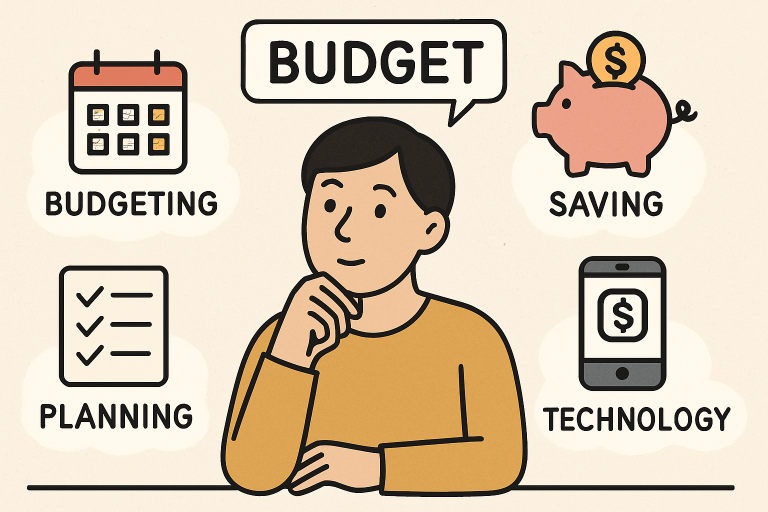
Technology has profoundly transformed the way individuals and households manage their money, creating unprecedented opportunities for more intelligent, more convenient financial management. From mobile banking apps that let you monitor your accounts on the go to automated robo-advisors providing investment management based on sophisticated algorithms, digital innovations put advanced financial tools at your fingertips. For example, robo-advisors offer tailored investment strategies and ongoing portfolio optimization tailored to your risk tolerance and unique goals, all at a lower cost than traditional financial advisors. Tech-driven financial management has democratized access to personalized planning that was once out of reach for many people. A recent CNBC article reveals how significantly robo-advisors are changing the investment landscape, empowering a new generation of investors to participate confidently in the market.
Practicing Mindful Spending
Smart spending doesn’t mean constant deprivation or extreme frugality; it’s about making informed choices that genuinely add value to your life. When considering a purchase, ask yourself whether it fulfills a real need or just a fleeting want. Look for less expensive alternatives or take advantage of discounts and cashback opportunities where possible. Mindfulness while shopping, whether online or in-store, helps you avoid impulse buys, prevent buyer’s remorse, and ensure your money is directed towards things that truly matter. Small changes such as meal planning, cooking at home, or sharing streaming services can shave significant amounts off your monthly budget. Additionally, seeking out free or low-cost experiences, like community festivals, local art shows, nature hikes, or library programs, can drastically reduce your entertainment expenses while ensuring your social life and happiness don’t take a hit.
 |
| Photo credit: Angela Roma on Pexels. |
Planning for Retirement
Retirement may seem like a distant milestone, especially when you’re busy managing today’s bills and obligations, but beginning to save early makes a remarkable difference. Even modest contributions to a workplace retirement account or Individual Retirement Account (IRA) take advantage of compounding interest, giving your investments more time to grow. Prioritize taking full advantage of employer-based retirement plans, especially when employer-matching contributions are available, as this is effectively free money added to your nest egg. Periodically reviewing your retirement strategy, evaluating your portfolio’s performance, adjusting allocations to match your evolving risk tolerance, and staying informed about new savings options or policy changes ensures that your plan remains robust and aligned with your needs at every stage of life.
Conclusion
Adopting smart financial habits today lays the groundwork for a secure tomorrow, regardless of where you are on your financial journey. Through thoughtful budgeting, disciplined saving, strategic automation, and a commitment to ongoing learning, you can navigate the challenges of daily life and simultaneously create opportunities for future growth. Use modern technology and trusted educational resources to your advantage, building a toolkit that helps you make proactive, beneficial decisions. Remember: each small, intentional step you take is not just about meeting today’s needs, but about investing in your long-term financial independence, freedom, and well-being.







0 replies:
Post a Comment